Necromancer-led roguelike that reverses tower defense tactics
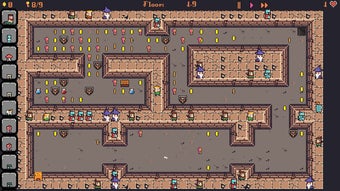
Tower Escape, by Final Form Games, casts you as a necromancer attempting to escape a guarded tower. Instead of building defenses you assemble a squad of minions and steer them through hostile, procedurally generated mazes while managing upgrades, gems, and relics to reach the exit. The planning phase displays a threat heatmap, relics change builds, and faction choices alter synergies. Strategy and roguelike deckbuilder fans seeking replayable tactical runs are the ideal audience.
What kind of game is this?
The game is a reverse tower defense fused with roguelike design, where you control the attacker rather than static fortifications. Each run asks you to recruit and route a squad of distinct minions through randomly generated tower layouts, combining tactical pathfinding with deck-building style progression. Core actions cycle around recruitment, route plotting, and resource allocation, which creates a short-run loop focused on planning and adaptation instead of base construction.
How do mechanics and progression shape each run?
Progression ties directly to on-run choices: gems upgrade minion stats, relics provide passive modifiers, and faction selection changes unit synergies. The game surfaces a threat heatmap during planning so you can weigh safer routes against higher rewards. Notable systems include:
- Minion recruitment and combinable abilities
- Relics and gems that alter builds mid-run
- Permadeath-style roguelike structure that resets runs
What does the game look and sound like on Mac?
The presentation uses polished 2D pixel art paired with a chiptune-inspired soundtrack, which gives a retro mood while keeping visuals clear at small scales. The interface supports the planning phase and heatmap readouts without clutter. The title runs on Mac systems meeting modest specs, requiring around 200 MB storage and a minimum of 2 GB RAM, making it accessible on typical desktop setups.
How replayable is each escape attempt, and who benefits most?
Procedural maze generation plus a pool of over 50 relics produce high run variety, so repeat play yields different tactical decisions and synergies. The developer designed factions and relics to encourage combo-building, meaning players who like iterative experimentation extract the most value. The game earned a "Very Positive" rating on Steam, which supports its reputation for addictive run-based design among strategy and deckbuilder audiences.
A fitting pick for strategy players who enjoy experimental runs
The game is a rewarding choice for strategy-minded players who enjoy short, tactical runs and experimentation with unit synergies, backed by visible planning tools and varied rewards. Players seeking a predictable, long-form campaign should take note: the run-based structure and permadeath-style resets produce variable outcomes each attempt, so consistency of progression is not the primary design goal.